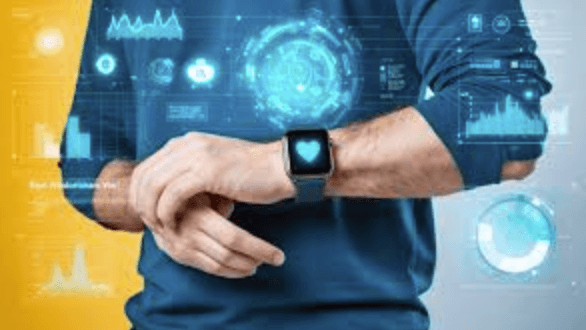
Smart watches are shifting healthcare toward continuous, real-time data. They capture multiple signals—heart rate, temperature, activity—and generate trend analyses for trend-based decisions. Clinician dashboards integrate personal metrics with professional care, enabling earlier interventions. Real-world use spans chronic disease management, preventive care, and expanded access, but governance, privacy, and data ownership remain essential. The balance between innovation and safeguards will shape whether these tools advance care for all, or widen disparities.
What Smartwatches Bring to Modern Healthcare
Smartwatches bring continuous, real-time health monitoring to clinical and consumer settings, enabling early detection and proactive management of conditions. In modern healthcare, these devices provide objective metrics, trend analysis, and remote monitoring that support decision-making and patient engagement. Privacy safeguards and data ownership frameworks define who accesses data, how it is used, and how consent is obtained, maintaining trust and accountability.
How Wearables Detect Signals Before Symptoms
Signal detection by wearables relies on continuous, multi-parameter data streams that reveal physiological changes prior to overt symptoms. By tracking heart rate variability, temperature shifts, and activity patterns, devices generate early warning signals before illness manifests.
Physiological markers emerge through continuous monitoring, enabling timely interventions.
Predictive analytics synthesize data into risk indicators, supporting proactive care while preserving user autonomy and freedom.
Integrating Data: From Personal Health to Clinician Dashboards
Integrating data from personal health monitoring into clinician dashboards enables a seamless bridge between continuous at-home measurements and professional care.
Data integration supports timely decision making, trend analysis, and population-level insights while preserving clinician oversight.
Data ethics and patient privacy considerations guide interoperability, security, and consent frameworks, ensuring transparent data flows and user empowerment without compromising trust or autonomy in care delivery.
Real-World Impacts: Chronic Care, Prevention, and Access
Real-world evidence shows that wearable health data can reshape chronic disease management, preventive strategies, and equitable access to care. Wearables enable continuous monitoring, timely interventions, and personalized risk reduction, potentially lowering hospitalizations.
However, privacy gaps and equity challenges persist, requiring robust governance, transparent data use, and inclusive design to ensure benefits reach diverse populations without reinforcing disparities.
Frequently Asked Questions
How Do Privacy Rules Protect Smartwatch Health Data Across Providers?
Privacy rules protect smartwatch health data through privacy compliance and robust data governance across providers, ensuring consent, access limits, and audit trails, while standardizing data formats to support interoperability without compromising patient autonomy or freedom of choice.
See also: techbritish
Can Watches Reliably Diagnose Diseases or Only Flag Risks?
Watches cannot reliably diagnose diseases; they are better at risk flagging. Diagnostic limitations remain, as signals indicate potential issues rather than definitive conditions, while data trends support early alerts and personalized monitoring for informed, autonomous decision-making.
What Standards Ensure Interoperability With Hospital EHR Systems?
Standards alignment governs interoperability with hospital EHRs, ensuring reliable data exchange. Interoperability protocols include HL7 FHIR, DICOM, and IHE profiles, enabling secure messaging, query access, and event transmission across systems. The framework supports scalable, freedom-friendly integration.
How Affordable Are Smartwatches for Underserved Populations?
Affordability varies widely; affordable access exists for some underserved populations through subsidized devices and programs, though gaps persist. Population health benefits hinge on privacy protection, data governance, and transparent pricing, enabling equitable adoption and measurable, data-driven outcomes.
Will AI Insights Replace Clinician Judgment in Care?
AI insights complement, not replace, clinician judgment; privacy rules and smartwatch data constrain use. They can diagnose diseases and flag risks, but require interoperability standards with EHR systems. Affordable watches aid underserved populations, yet trust remains essential for care.
Conclusion
Smartwatches deliver continuous data, continuous insight, and continuous care. They empower individuals with real-time awareness, enable clinicians with actionable trends, and encourage proactive health management. They integrate personal measurements, predictive analytics, and secure dashboards to support timely interventions. They democratize monitoring, personalize prevention, and standardize interoperability. They advance care, advance equity, and advance accountability. They require governance, privacy safeguards, and patient ownership. They promise a future where monitoring, decision-making, and compassion converge, delivering outcomes through reliable, accessible, patient-centered design.
