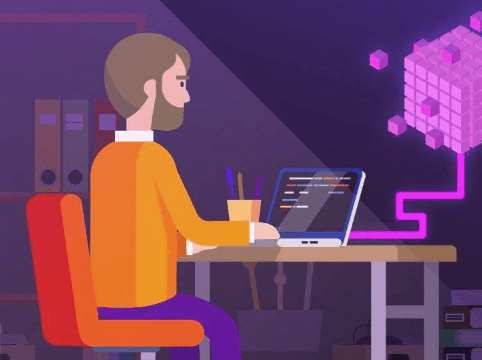
Starting with blockchain development means building a solid grasp of decentralization, consensus, and cryptography, then linking theory to practice. Focus on foundational concepts, data structures, and how smart contracts fit into storage and gas models. Choose practical tools and languages—Solidity for Ethereum, Rust for Solana—and pair study with small, hands-on experiments on devnets. Document decisions and outcomes as you progress; a clear track will show you where to push further and what to explore next.
Foundations: How Blockchain Development Works
Blockchain development rests on a few core concepts: decentralized ledgers, cryptographic security, and programmable contracts.
Foundations explain how data is arranged, validated, and stored across networks.
The focus is on blockchain consensus mechanisms, ensuring agreement despite partial failures, and cryptography basics that protect integrity and privacy.
A structured view enables practitioners to evaluate security, performance, and interoperability without overcomplication.
Choose Your Tools, Languages, and Concepts
Choosing the right tools, languages, and concepts is a practical step for any aspiring blockchain developer. A concepts overview helps map fundamentals before diving deeper. Tooling comparisons clarify tradeoffs among languages (Solidity, Rust, etc.), frameworks, and testnets. The goal is accessible, structured decision-making that supports independent exploration and deliberate experimentation, aligning choices with project goals and personal freedom.
Build Your First Smart Contract: A Step-by-Step Guide
The next practical step is to implement a simple smart contract to ground the earlier discussions about tools and concepts. It presents an accessible, pragmatic guide: outline an intro to gas mechanics, identify external dependencies, and plan sandbox testing strategies. Emphasize security audits, modular design, and auditable code to ensure reliability while preserving freedom to iterate.
See also: How Smart Technology Supports Energy Conservation
Turn Projects Into a Real-World Portfolio
Turning projects into a real-world portfolio requires a deliberate approach: identify representative work, document the process, and present outcomes with clear metrics. The framework emphasizes portfolio storytelling and project evaluation, guiding learners to curate diverse examples, articulate challenges, decisions, and results, and measure impact. A structured presentation builds credibility, aligns skills with opportunities, and supports autonomous, freedom-seeking developers in showcasing tangible competence.
Conclusion
In the glow of early experiments, learners glimpse a harbor where blocks anchor trust and code maps the tides. Like a lighthouse, diligence guides choices—solidity or rust, devnets or testnets—driving steady progress. Behind every deployed contract lies measurement, iteration, and proof. The voyage, though practical, hints at deeper currents: security, transparency, and collaboration. When projects accumulate, the portfolio becomes a quiet testament to disciplined curiosity steering toward real-world impact.
